Thursday, 24 September 2015

Retail Reinvention: The New Grocery Store

The grocery industry is one that is continually evolving. Every year, a new trend, focus, or outlook for the coming months means big changes for retailers on the ground. This year is no different, and several major grocery retailers are meeting new consumer demand with changes in their stores. One of the most visible changes: the ‘New Grocery Store’ - a reinvention of the total shopping experience.
What is this new grocery store? Well, it isn’t really new, just different - but in a big way with regard to how stores are branding, or rather rebranding, their image.

Sobeys is one such retailer. Their rebranding: The Affordable Better Food Movement. Recognizing the demand for fresher, healthier options, Sobeys has taken that demand and is running with it, not just with their on-the-shelf offerings, but with the whole look and feel of their store.

And these stores are not just for taking home food to cook anymore. Sobeys has introduced ‘Our Kitchen’ - which offers a wide range of ready-to-eat and ready-to-heat meals. According to Senior VP of Merchandising and Commercial Programs at Sobeys, Mary Dalimonte, this new ‘grocerant’ concept “will continue to challenge traditional ‘eating-out’ and redefine what it means to shop and eat at your local grocery store.

In a recent CanadianGrocer interview, Farm Boy’s CEO Jeff York agreed, and he sees the ‘grocerant’ as an important avenue in his stores as well: “We feel it’s a lot easier to get a sales increase taking sales away from restaurants than Walmart,” says York. He sees Farm Boy’s kitchen offerings as a way to tap into what people want: there’s no tipping or waiting for their meal to be prepared, and they’re not slaves to the portions a restaurant would serve to them.

So what do we learn from this? Are people going to forego their regular restaurant visits in the hopes of killing two birds with one stone at the grocery store? Probably not, but it does mean far more competition for those products listed on the shelf. With a focus on certain products, others seemingly get lost when customers are racing down the aisle. Unique, eye-catching, custom packaging now plays an even greater role in consumer purchasing behaviour. To get noticed your product has to stand out.
It also needs to hit those targets that Sobeys and Farm Boy are running with. Buzz words like fresh, healthy, or quick, as well as packaging that is eco-friendly, are things that speak to customers - you need to harness the power of these things.

At PTI, we stay up-to-date on the latest trends in the industry, and deliver an end product that uses these trends to their fullest potential, thus translating to sales on the store floor. For a complete redesign or just a pick-me-up for your packaging, we’ve got you covered. Call us today at 1-800-303-5883. 

Thursday, 17 September 2015

Custom Packaging Trends: Multi-Sensory Sensation

When it comes to custom packaging trends, multi-sensory packaging is a trend that seems to be sweeping the nation. Across North America, brands are looking to their packaging as a way in which to garner consumer attention and drive sales in store.

Here is a great example. Earlier this year, Anheuser-Busch introduced their tequila flavoured beer, Oculto. In an effort to entice, they included labelling which features pressure sensitive labels with mask motif and tactile ink typefaces. The reverse of the label also incorporates a thermochromics ink, which changes colour in response to variations in the temperature of the beer. Read more about it here: http://www.foodbev.com/news/anheuser-busch-inbev-adopts-multi-sensory-label-for-oculto-tequila-beer/.

According to VP of Marketing Jorn Socquet, “Oculto packaging is an innovation in itself. It brings to life a look that is premium, seductive and energetic. It features a multi-sensory experience, including multiple crown graphics, tactile printing and black-light inks.” Anheuser-Busch joins a slew of other brands taking their packaging to the next level.

What is the key takeaway here? Differentiation. Anything that helps you stand out in the crowd - and let’s face it, those shelves can feel pretty crowded - is a good thing. Presenting a fresh, innovative look, one that is designed to create a buzz and capture the attention of consumers, is great.

Is multi-sensory the only way to go? Sure, it is a fantastic approach, one we love, but there are other ways.

-         Innovation. A package that does more than just house a product, whether it acts as a platform for serving, can be reused, etc., seems to be one of the most popular custom packaging trends for 2015.

-         Authenticity. People seem to be really interested in more natural, raw packaging featuring a more authentic look. This means a more minimalist approach with a fresher, ‘less is more’ design.

-         Quality. Quality never seems to lose traction, and when your packaging is your voice, this is important. People equate quality with class, and so when you are using high quality inks and processes that ensure top-quality end product.

Custom packaging trends are changing all the time, and to stay competitive you have to stay up-to-date. Packaging Technologies Inc. can help you design and create a package that hits the target. Call us today at 1-800-303-5883.


Thursday, 10 September 2015

Spinning Straw into Gold: Wheat Straw Paper Saving Forests?

When it comes to paper packaging, eco-friendly has become a trend that, for good reason, seems to be taking over. Consumers are far more aware of the environmental impacts of their purchases, opting more often for earth conscious packaging over plastic and non-recyclable materials. Manufacturers across North American are amending their processes to reduce their footprints, and improving the way things are done from the design stage through to final delivery.

As part of this drive for eco-friendly packaging, innovators are attempting to refine the process even further, looking for alternatives to reduce the overall impact. One such alternative? Wheat straw paper.
What is wheat straw paper? It is paper created using the straw left over after the food grain harvest is complete. This leftover straw, known as ‘agricultural residue,’ is typically disposed of by burning. 
However, when wheat straw paper is produced, instead of being disposed of, this material is used for that production, a potentially massive resource considering the 20 million acres of wheat grown in Alberta, Manitoba and Saskatchewan. Making paper with trees produces twice the ecological footprint compared to wheat straw - a major reason why this trend is set to make a massive impact over the next few years in North America.

Is this new technology? Not at all. Several other countries have been using straw to create paper for hundreds of years. In fact, 8-10% of the world’s paper is made from ‘agri-fibres,’ and China and India produce 20% of their paper using wheat straw, rice straw and sugar cane stocks. It has had a much slower uptake in North America though, but seems to finally be receiving the recognition it deserves.

So, is wheat straw paper saving forests? If it means less trees cut down, then yes, definitely. Is it the only way to do so? Of course not. Wheat straw paper manufacturing is still a niche market, so when you are looking to reduce your own footprint, here are some things to think about when sourcing a product packaging manufacturer:

-          Use of flexo water based inks
-          100% of waste paper trim recycled, and pallet reconfiguration to reduce transportation waste
-          Adherence to government regulations regarding BOD and suspended solids (well below those standards is ever better)
-          Design techniques that pay attention to minimizing material and maximizing structural support
-          Corrugated board material that is 100% renewable, recyclable and bio-degradable.

Every little bit counts, so making a conscious effort to find a manufacturer with a commitment to sustainability means you will also be doing your part.


Packaging Technologies Inc. is committed to sustainability, from the design stage right through to final delivery. Call us today for more information: 1-800-303-5883. 

Thursday, 3 September 2015

Consumer Behaviour: Nielson Poll on Craft Purchasing Habits

We’ve spoken a lot on the topic of craft beer over the last few months, especially since the government announced their plans to increase exposure of craft brews in the LCBO. Over the last few years in particular, craft beer sales have surged in the province, and beer-drinkers are, now more than ever, opting more often for smaller local breweries for a taste of something different. 

Back in July, Nielsen released the results of a poll that examined consumer behaviour and purchasing habits with regard to craft beer. The results are pretty impressive. Here are just a few highlights from the poll, which surveyed more than 1,000 drinkers:

-         How many drink craft beer, and how often? 58% percent of those surveyed drink craft beer at least once per week. More than 25% drink craft beer several times per week, whereas the other 42% were identified as ‘less-than-weekly’ drinkers.

-         Does ‘craft’ matter? 30 percent of craft beer drinkers associate the word ‘quality’ with ‘craft.’

-          52% of respondents who drink beer said local production is at least ‘somewhat important’ when deciding which craft beers to purchase. This is compared to only 23% of those respondents who said being locally made mattered when they purchased spirits.

-         44% of regular craft beer drinkers reported drinking more craft beer than they did last year.

-         What prompts their purchasing decision? When choosing which craft beer to buy, 99% of respondents said flavour was important; 94% said freshness was important and 79% said aroma was a factor.

-         What to drink: When making a purchasing decision on-premise, 73% of craft beer drinkers surveyed said getting the beer on draft was important. 71% of drinkers said price was a factor; 67% cited local production as being important and 64% said product familiarity was important.

-         On average, craft beer drinkers purchase 3.6 brands per month, according to the survey. 15% of respondents also said they purchase 10 or more brands per month.


So, when it comes to craft beer and consumer behaviour, what do these results mean? Firstly, competition is rising, and with more breweries opening up and more craft brew being purchased and consumed, buyers are becoming more selective. They know what they like and why they like it, but they are also willing to try new brands.

How to compete: aside from taste, your brand packaging is one of the most important things to consider when it comes to influencing consumer behaviour. As mentioned, drinkers are willing to try something new, and if your packaging is unique, engaging and eye-catching, people will be more likely to pick your brand over your competitor’s.  Your packaging carries your distinct message that sets you apart from your competition.

At PTI, we have experience designing and manufacturing custom packing for craft beer - packaging that grabs attention and influences consumer behaviour. We can help you compete. Call us today at 1-800-303-5883. 
Thursday, 27 August 2015

CSDs Innovate with Product Packaging to Appeal to Consumers

It is no secret that the carbonated soft drink (CSD) market has experienced a major increase in the competition they face compared to a decade ago. Instead of continuing to hold their spot uncontested, CSD brands are having to reinvent, refresh and even rebrand their products in an effort to combat the pressure coming from their shelf-sharing counterparts.

This decline comes thanks to a number of different factors, not least of which is the focus on health which is driving customers away from the artificial sweeteners and high sugar content of many CSDs. Instead, many consumers are making the switch to the various other items on offer, most commonly smoothies, enhanced water beverages and non-dairy drinks.

Check out this great article from Beverage Industry to get an in depth look at some of the challenges and concepts some brands are facing: http://www.bevindustry.com/articles/88340-csds-innovate-with-packaging-to-appeal-to-consumers.

What can be done? The article notes that one reason for this decline is a generational shift which has caused “a change in the age entry point. Because the category is not getting the same penetration as in years past, it has affected its growth and engagement… this just means brand owners must utilize the correct messaging to appeal to consumers.” Keeping up with generational demands can mean a better market share than if this gap is ignored.

Product packaging is also key. Providing a number of different options, including offering smaller servings, appeals to both the health aspect and the small treat aspect, and this can appeal to a vast number of consumers. For example, as the article notes “Smaller servings, for example, can simultaneously boost margins while also giving consumers choices in terms of regulating intake and providing portion control.”

If you operate in the CSD market, you have your work cut out for you, but that doesn’t mean it is a losing battle - far from it! It just means you may need to take some extra steps to recapture your share of the pie. Call Packaging Technologies Inc. today for more info: 1-800-303-5883. 

Thursday, 20 August 2015

Back to Basics: What Makes a Great Supplier?

For many customers, when dealing with a supplier, there are simple things that can cause a lot of upset. On the flip side, there are also a few simple things that make a supplier great. Often what makes a great supplier even better is a great customer - and I was reminded of that fact earlier this week while talking with one of our great customers.

I know this is a very different perspective as we so commonly focus on the efforts of the supplier to cement great relationships with customers to maintain and grow their business. Often the customer is considered to be in the position of power and can be as demanding or unconcerned with their supplier as they wish. However, this customer expressed to me that the importance of the relationship they build with their suppliers is second only in priority to the relationship they build with their own customers. This approach is an important part of their strategic business plan as they recognize that they rely on quality and dependable suppliers for products and services to create their exceptional products. 

Quality, competitive pricing, and on time delivery are just a few ways that suppliers can impact your business positively or negatively.

Here are some of the ideas you can use to build a strong and loyal relationship with your supplier.

1.     Visit your supplier’s facility. Meet the team that will service your account and gain an understanding of their business.
2.     Keep your supplier in the loop with the changes you are making in your company or changes in your marketplace that may affect a change in your requirements from them.
3.     Understand lead times and work with them to plan schedules to eliminate last minute rushes. Some rushes are unavoidable and a great supplier will be able to perform for you in those instances. Planning and good communication help to avoid unnecessary crises.
4.     Engage your supplier by including them in start-up meetings for your company’s new projects that involve their product and service. Many times they bring valuable information that can save you money and time in development.
5.     Maintain great credit with your supplier.
6.     Develop relationships. If you’re extremely satisfied with your supplier, recommend them when you have the opportunity. In turn, you will find your supplier recommending you.

Being a great customer is not difficult. Setting out your expectations clearly, treating your supplier with respect, fairness and appreciation for the vital role they play in your business, leads to loyal suppliers that will go the extra mile for you every time!

PTI is committed to building the strongest, most productive relationships possible. Check out our video to see just how we do it:


Want to work well with your supplier and get the most out of the relationship?
Call Packaging Technologies Inc. today at 1-800-303-5883.


Thursday, 13 August 2015

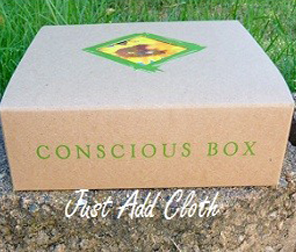
Innovative Packaging Trends 2015: The Subscription Snack Box

The consumer packaged goods industry is one that has long been adapting to change in the marketplace. Mobile shopping has had an impact, although not as significant for grocery, but newest on the scene is a player that can seemingly hold its own: the subscription snack box is quickly becoming the sampling way of the future.

A subscription box is a package of retail products sent directly to a customer on a reoccurring basis, and subscription box e-commerce based business is a rapidly growing market. New companies are popping up every day selling all kinds of different products to customers who subscribe to their service - everything from all natural food products to fancy cured meats to dog treats and toys. 

How big a market are we talking? It has been estimated that there are 400 to 600 different kinds of subscription boxes available to consumers in the United States alone and more overseas ranging from $10 to $100. Even retailers like Amazon.com, CVS Pharmacy, Freshpair, and LancĂ´me use subscription commerce. According to Forbes, Birchbox, which is arguably the most recognizable service and valued at a reported $485 million in April 2014, led the subscription box trend with its 2010 launch. Since that time, others have jumped on the bandwagon to try and get a piece of the subscription pie.

The ability to try a whole bunch of new products, products conveniently delivered right to the door, gives customers a new level of convenience. So why does this matter for retailers? What is this subscription service really good for? Arguably the biggest boon for companies taking advantage is the increased brand awareness and the development of brand loyalty, especially for newer companies.

Other extras: customers often receive discounts on products by buying them through subscription boxes. Customers enjoy the surprise of discovering and trying new products or receiving their favourite products with such convenience. Again, both of these contribute to overall brand perception and brand loyalty.

For retailers, there are two things to consider when it comes to joining the subscription snack box team though: the costs of packaging and shipping can be high and your product packaging needs to speak for itself. Subscription businesses have to maximize their packaging to ensure that their package is arriving intact, that it reinforces their brand, and is cost effective to ship. These can be overcome with a design that accomplishes all without sacrificing one.

Want to take advantage of everything this growing trend has to offer? A bit of upfront planning can save a ton down the road, and help you achieve maximum results.

Packaging Technologies Inc. has you covered. Call us today for all your packaging needs: 1-800-303-5883.